
TMS for Bipolar Depression: Why Evidence Needs Its Own Explanation
TMS evidence is most useful when the question, measurement and study population are clear. Here is a closer look at TMS for bipolar depression and the limits that matter when translating research into a clinical conversation.
Diagnosis changes the evidence question
Bipolar depression and major depressive disorder can both cause disabling low mood. Evidence from one diagnosis does not automatically answer treatment questions in the other. Research needs to specify the diagnosis, intervention and relevant outcomes. A broad depression success rate is not a substitute for bipolar-specific evidence.
A negative trial deserves attention
A 2021 randomized trial compared active intermittent theta burst stimulation with sham in bipolar depression. It did not demonstrate superiority and stopped for futility. That term means continuing as planned was unlikely to demonstrate the expected benefit under trial assumptions. It does not prove every TMS approach ineffective, but this study did not establish its hoped-for advantage.
Why a broader review can look different
A network meta-analysis published online in 2023 included 18 articles and 617 participants across noninvasive stimulation approaches. It identified benefit signals for some protocols. Small samples, imprecision and differences in populations complicate interpretation. Some comparisons are indirect rather than head-to-head. A pooled finding cannot erase a negative trial or make protocols interchangeable.
Keep the intervention specific
Location, pattern and trial design define what was tested. A field can contain promising evidence and substantial uncertainty simultaneously. These historical publications are not a statement about every current device indication. Ask about diagnosis-specific evidence, the exact proposed intervention and unresolved questions. A qualified clinician should interpret your history and risks; the paper does not justify independent medication changes or a particular treatment choice.
This article is informational, not an individualized treatment recommendation. A qualified clinician can interpret the evidence alongside your diagnosis, history and existing care. Do not alter prescribed treatment based on a study summary.
Sources
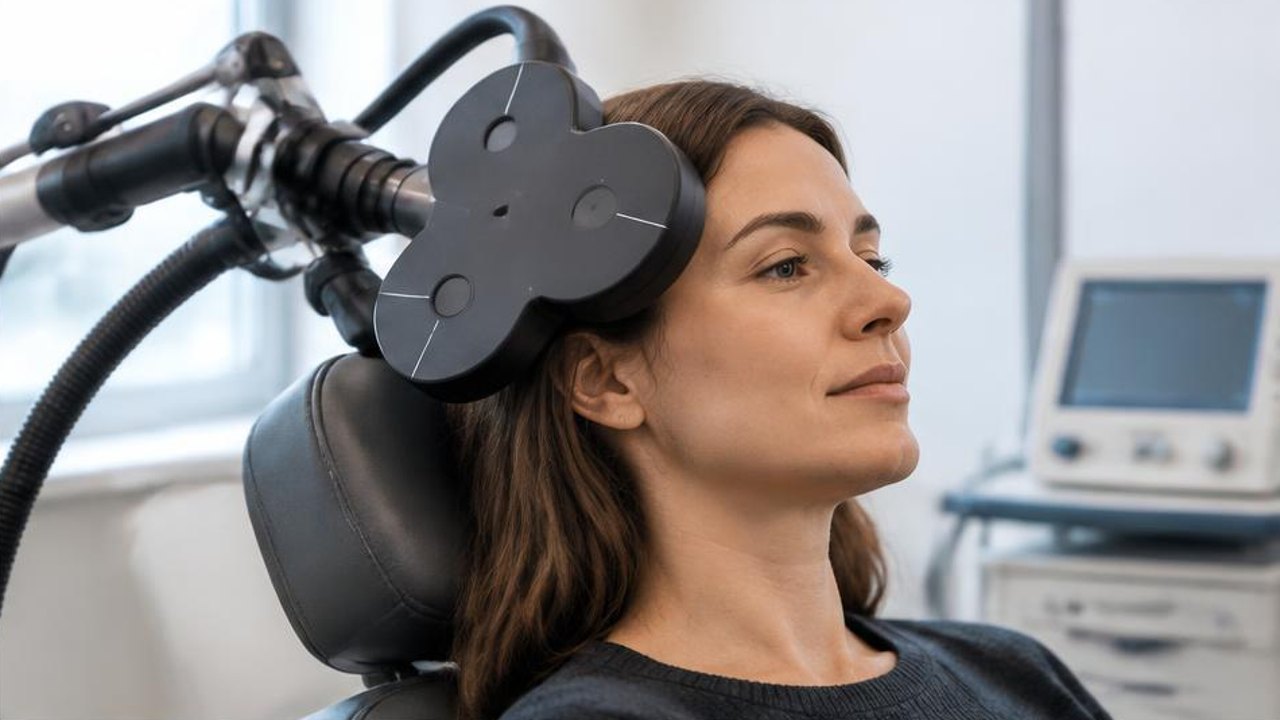
This article is for general information, not individual medical advice. Illustration is AI-generated and does not depict actual study participants.
Frequently Asked Questions
- Diagnosis changes the evidence question?
- Bipolar depression and major depressive disorder can both cause disabling low mood. Evidence from one diagnosis does not automatically answer treatment questions in the other. Research needs to specify the diagnosis, intervention and relevant outcomes. A broad depression success rate is not a substitute for bipolar-specific evidence.
- What is the main evidence limitation?
- A network meta-analysis published online in 2023 included 18 articles and 617 participants across noninvasive stimulation approaches. It identified benefit signals for some protocols. Small samples, imprecision and differences in populations complicate interpretation. Some comparisons are indirect rather than head-to-head. A pooled finding cannot erase a negative trial or make protocols interchangeable.
- What should readers take away?
- Location, pattern and trial design define what was tested. A field can contain promising evidence and substantial uncertainty simultaneously. These historical publications are not a statement about every current device indication. Ask about diagnosis-specific evidence, the exact proposed intervention and unresolved questions. A qualified clinician should interpret your history and risks; the paper does not justify independent medication changes or a particular treatment choice.
Written by
TMS News Editorial Team
The TMS News editorial team covers transcranial magnetic stimulation research, treatment access, and patient education, drawing on peer-reviewed studies and leading clinical centers.
 PreviousMeasuring TMS Progress: Why Response and Remission Are Different
 NextMotor Threshold in TMS: A Calibration Measure, Not a Depression Score