
TMS Side Effects: Common Discomforts and Important Risks
Transcranial magnetic stimulation is noninvasive, but noninvasive does not mean risk-free. Most familiar side effects involve discomfort near the treatment site or a headache. A seizure is a rare but serious potential complication. The National Institute of Mental Health's TMS safety review stresses that screening, appropriate stimulation settings, and staff training are central to safe care.
A useful consent discussion should cover both categories: what you are reasonably likely to notice and what is uncommon but important. It should also explain what the clinic will do if you develop a problem. You do not need to wait until treatment begins to ask those questions.
Headache and scalp discomfort
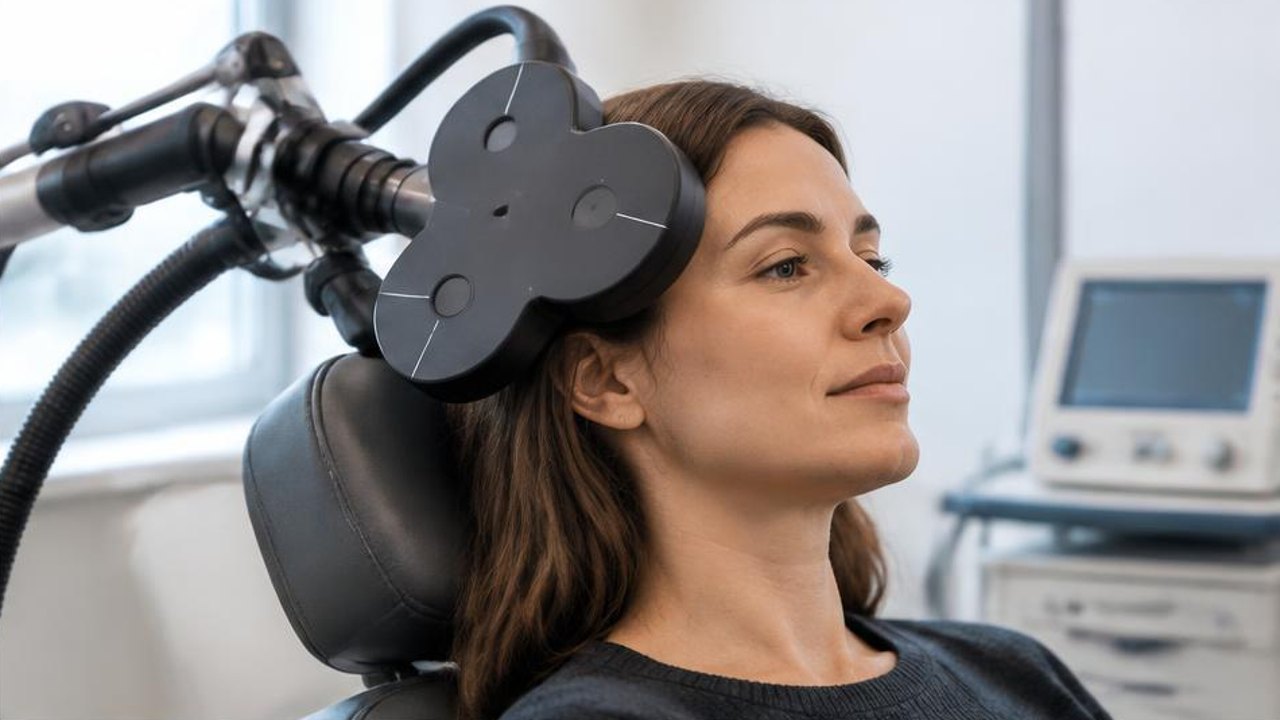
The magnetic field can stimulate muscles and nerves near the scalp. That helps explain why people may notice tapping, local discomfort, or a headache during or after treatment. Facial muscles can also twitch during stimulation. The Mayo Clinic patient guide lists these among common TMS side effects.
Tell the team where the discomfort occurs and how strong it is. They may review coil positioning or stimulation settings and discuss appropriate symptom relief. Do not assume that pain means treatment is working better, and do not take additional medicine without checking whether it is suitable for you.
Why hearing protection matters
A TMS coil makes loud clicks. Hearing protection is therefore part of treatment safety, not an optional comfort accessory. NIMH's safety review discusses the need to protect hearing during stimulation. Ask staff to check that your earplugs or other protection fit correctly before the pulses begin.
If you have existing hearing problems, tinnitus, ear pain, or difficulty using earplugs, bring that up before treatment. Report any new hearing-related symptom rather than assuming it is a normal part of the procedure. The team can decide whether assessment or a change in the treatment plan is needed.
The rare risk of a seizure
TMS can trigger a seizure, although this is uncommon. A careful evaluation looks for factors that may increase risk, including a seizure history and relevant medical conditions or medications. NIMH identifies accurate motor-threshold measurement and proper dose selection as additional safeguards.
That is why an online checklist cannot replace a clinical assessment. A history that deserves extra review is not always an automatic exclusion, but it should never be hidden. Ask the clinic how staff are trained to recognize and respond to a seizure or fainting episode.
Mood changes also deserve attention
Mayo Clinic lists mania as a rare possible complication, particularly in people with bipolar disorder. Before treatment, tell the clinician about any history of periods with unusually elevated or irritable mood, markedly increased activity, or a reduced need for sleep. A correct diagnosis is part of safety planning.
During treatment, report significant mood or behavior changes promptly. The purpose is not to interpret every better day as a warning sign. It is to make sure the team can distinguish healthy improvement from symptoms that require reassessment.
Implants and metal require specific review
Some implanted devices or metal near the treatment area can make TMS unsuitable or require device-specific evaluation. Mayo Clinic advises patients to disclose implants and retained metal before treatment. Do not rely on whether an object feels small, old, or far enough away; provide the details and let the clinician assess them.
Useful information includes the device name, manufacturer, location, and any available implant card or surgical record. Having that information ready can make the safety discussion more precise than simply saying you have had an operation.
What to report between sessions
- Medication additions, dose changes, or discontinuations.
- New neurological symptoms or a change in seizure history.
- Significant changes in sleep, alcohol use, or general health.
- Unexpected hearing symptoms or substantial mood changes.
These updates help the treating clinician decide whether the existing settings and schedule remain appropriate. Follow the clinic's instructions for contacting staff between visits, and ask what symptoms warrant urgent medical attention rather than waiting for the next appointment.
Make safety a continuing conversation
A signed consent form is only the beginning. Ask who reviews side effects, how symptoms are documented, and when you will see the prescribing clinician. Clear communication is more useful than either dismissing every concern or expecting that every sensation signals danger.
Sources
Clinical note: Discuss your personal risks and any new symptoms with a qualified clinician; this overview does not replace individualized medical advice.
Frequently Asked Questions
- What are the most common TMS side effects?
- Common effects include headache, scalp discomfort, and twitching or tingling of facial muscles during treatment.
- Can TMS cause a seizure?
- Yes, a seizure is a rare but serious risk. Screening, appropriate dosing, and trained staff are important safety measures.
- Why do patients wear earplugs during TMS?
- The coil makes loud clicking sounds. Properly fitted hearing protection helps reduce sound exposure during stimulation.
Written by
TMS News Editorial Team
The TMS News editorial team covers transcranial magnetic stimulation research, treatment access, and patient education, drawing on peer-reviewed studies and leading clinical centers.
 PreviousMeasuring TMS Progress: Why Response and Remission Are Different
 NextMotor Threshold in TMS: A Calibration Measure, Not a Depression Score